
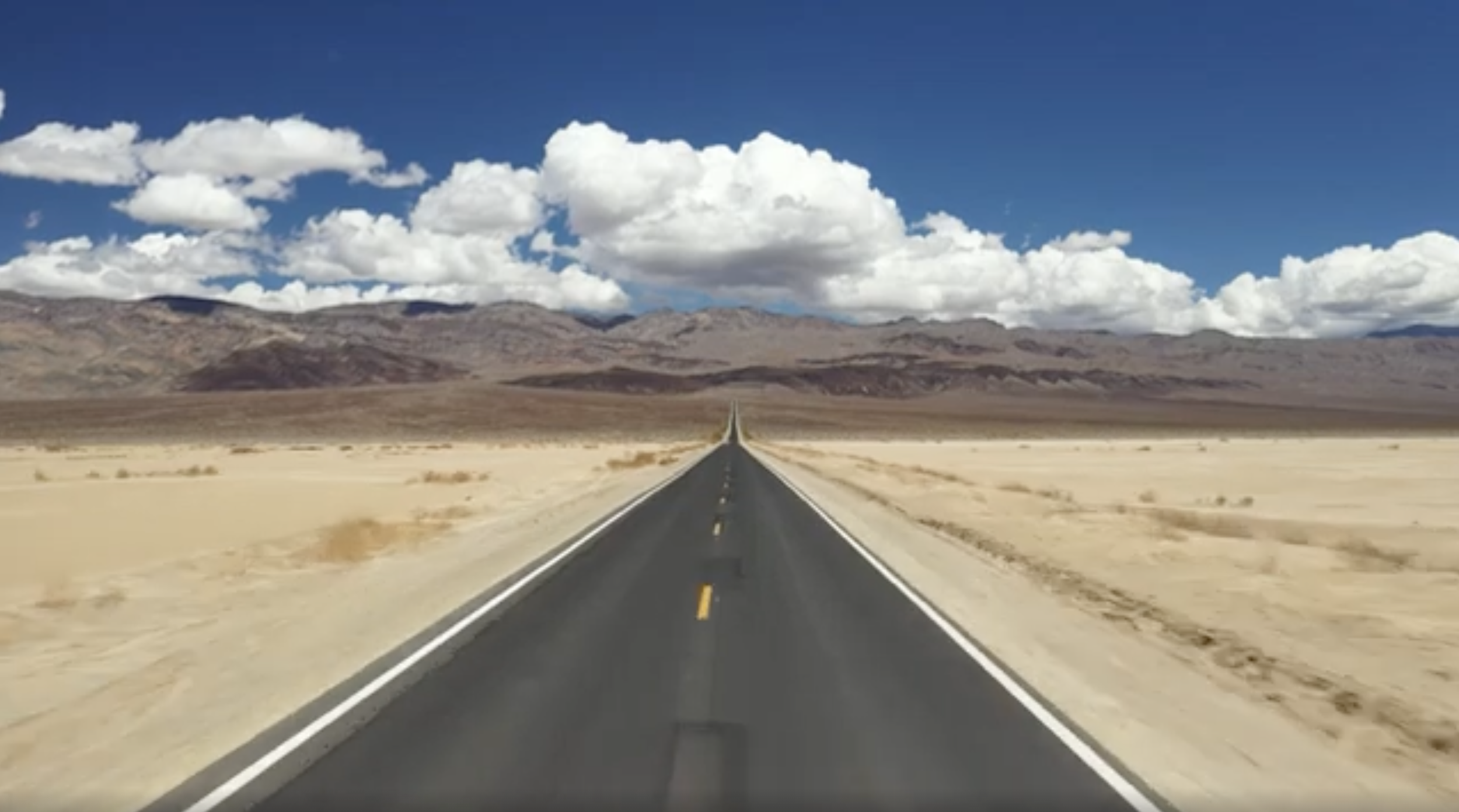
THERAPY FOR MANAGING YOUR ANGER WHILE DRIVING IN New York
Road Rage
What is Road Rage?
Road rage refers to aggressive or hostile behavior drivers direct at others while behind the wheel. In a city like New York, where gridlock on the FDR, bumper-to-bumper traffic in the Lincoln Tunnel, or a blocked lane in Midtown can turn a routine commute into a stress test, this behavior tends to show up as tailgating, horn-blasting, aggressive gestures, shouted insults, or, in more serious cases, physical altercations.
Road rage is often fueled by chronic stress, time pressure, or the feeling that another driver has been careless or disrespectful — all of which are amplified by New York's dense traffic, aggressive driving culture, and the sheer volume of cars, cabs, and delivery vehicles competing for the same lane. Left unchecked, it doesn't just make for an unpleasant drive; it raises the risk of collisions and can take a real toll on both mental and physical wellbeing.
Recognizing your personal triggers and building healthier coping strategies are key first steps toward reducing how often road rage happens — and softening its impact when it does.

Anybody can become angry, that is easy; but to be angry with the right person, and to the right degree, and at the right time, and for the right purpose, and in the right way — that is not within everybody’s power; that is not easy.
— Aristotle


I help people in New York City and the surrounding area who struggle with road rage and anger issues. Together, we work on building behavioral and emotional self-awareness, identifying triggers and underlying causes, and developing practical coping skills — the "tools" that make it possible to manage anger reactions in healthier, more constructive ways.
Top Ten Ways to Avoid Road Rage
1. Take public transportation or ride a bike.
2. Leave 10 minutes early, so you won't be rushed and stressed.
3. Enjoy the ride (e.g., focus on the scenery; enjoy the company of your passengers, etc.)
4. Reduce your stress and anger triggers (e.g., practice mindful breathing; listen to relaxing music instead of aggravating talk radio; put down the phone; etc.)
5. Exercise altruism (e.g., purposely allow others to merge and pass.)
6. Use humor (e.g., tell yourself, "They must be rushing to the gym. They need it!")
7. Practice acceptance (e.g., "Let it go”)
8. Don't be a vigilante (e.g., let the police deal with dangerous drivers.)
9. Play it safe and smart (e.g., move to a different lane; pull over and calm down.)
10. Think socially rather than selfishly, and try to imagine the other driver's perspective (e.g., "I bet he's late for work like I was yesterday. I'll let him pass.")